Noisy Air Conditioner Rattling: Port Chester https://ac-repair-advice-for-practical-tips-solutions.fotosdefrases.com/top-rated-ac-repair-port-chester-ny-fast-reliable-service Quick Fixes
When a noisy air conditioner rattling through the night disrupts sleep or interrupts a quiet afternoon in Port Chester, the irritation is real—and it’s often a sign of a simple fix. Rattling is one of the most common Port Chester home HVAC issues, especially during peak cooling season when systems run nearly nonstop. The good news: many causes are straightforward to diagnose and resolve without a full service call. Below, we break down what rattling means, what you can safely check yourself, and when to bring in a professional—plus we’ll touch on connected problems like weak airflow AC, AC not cooling, air conditioner leaking water, frozen AC coils, thermostat issues, refrigerant leaks, clogged AC drain line, and electrical AC problems.
Why your AC rattles in the first place Rattling is typically a vibration problem caused by loosened hardware, debris, or misaligned components. Common culprits include:
- Loose access panels or screws: Over time, vibration works fasteners loose. A single loose panel can sound like a major failure. Debris in outdoor condenser: Twigs, leaves, or gravel inside the fan shroud can rattle loudly, especially on startup. Worn fan motor or bent fan blade: A slightly bent blade can clip the guard or vibrate the unit. Worn bearings add a gritty rattle. Misaligned or sagging ductwork: Sheet metal ducts can “oil can” and rattle when static pressure rises, often linked to weak airflow AC. Contact with surrounding surfaces: Units set on uneven pads or touching fencing or shrubs transfer vibration and amplify noise. Failing compressor mounts: Aging rubber grommets harden, letting the compressor shake the cabinet.
Quick checks you can do safely Before you start, always turn the system off at the thermostat and cut power at the disconnect or breaker to avoid electrical AC problems.
1) Tighten panels and hardware
- Inspect the outdoor unit’s top and side panels. Tighten any loose screws. Check the indoor air handler or furnace door; if it’s not seated properly, reseat and latch it firmly.
2) Clear debris from the outdoor unit
- Remove leaves, sticks, and mulch from the fan grille. If debris is inside the shroud, remove the top grille carefully and clean the interior. Do not bend the fan blades. Maintain at least 2 feet of clearance around the unit. Cut back shrubs and move objects that can transmit vibration.
3) Stabilize the base
- Ensure the condenser pad is level. If it’s settled, shim gently with composite shims. A tilted unit strains the fan and can cause refrigerant leaks over time due to vibration at connections. Add anti-vibration pads between the unit feet and pad if the base hums or chatters.
4) Inspect the fan
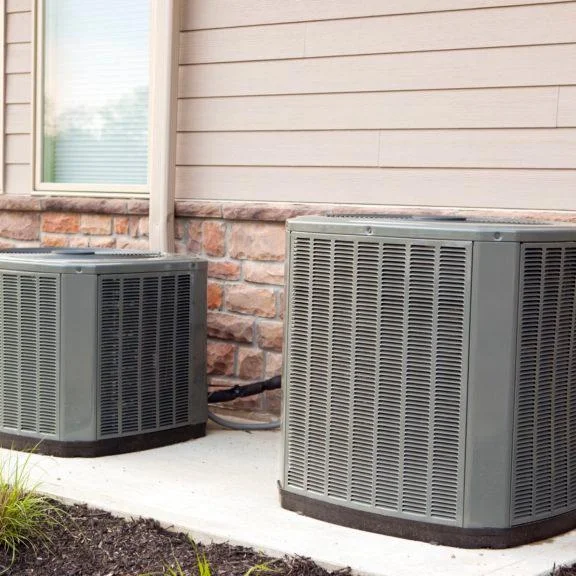
- With power off, spin the fan gently by hand. It should turn smoothly and quietly. Grinding or roughness points to a failing motor bearing. Look for bent blades or a fan that sits off-center. Minor bends can sometimes be corrected, but replacements are safer.
5) Secure or cushion ductwork
- Look for loose straps or joints near the air handler. Tighten hangers and add felt or foam tape where ducts rattle against joists. If the noise matches blower speed changes, you may have high static pressure from a dirty filter or closed registers—both can lead to weak airflow AC and AC not cooling.
6) Change or clean the air filter
- A clogged filter raises static pressure, making ducts and the blower cabinet rattle. It can also cause frozen AC coils and even an air conditioner leaking water as the ice melts and overflows the drain pan.
When rattling signals a deeper problem While many rattles are minor, be alert for signs of a larger Port Chester home HVAC issue:

- AC not cooling or warm air from vents: Rattling coupled with poor performance suggests fan motor failure, compressor issues, or low refrigerant. Short cycling and clicking: Frequent starts with clicking may indicate electrical AC problems such as a failing contactor or capacitor vibrating under load. Hissing or bubbling: Combined with rattling, these can indicate refrigerant leaks. Low charge can lead to frozen AC coils and weak airflow AC. Water near the air handler: Vibrations can loosen drain fittings, contributing to an air conditioner leaking water or a clogged AC drain line that gurgles and rattles at startup. Burning smell or tripped breaker: Shut down immediately and call a pro—potential electrical AC problems or motor overheating.
Port Chester quick fixes tailored to local conditions

- Salt air and seasonal debris: Near the Sound, corrosion and windblown debris are common. Schedule seasonal coil cleanings and check hardware more often to prevent noisy air conditioner symptoms. Older housing stock: Many Port Chester homes have retrofit ductwork. Undersized or kinked returns cause high static pressure, rattling ducts, and weak airflow AC. Consider adding returns or balancing the system. Tight property lines: Outdoor units placed close to fences can resonate. Add a vibration-isolating barrier or reposition the unit a few inches from rigid surfaces.
Maintenance steps that quiet and protect your system
- Clean coils and blower: Dirty evaporator or condenser coils make the system work harder, increasing vibration and the risk of frozen AC coils. Professional cleaning also reduces the chance of AC not cooling during heat waves. Inspect and replace motor mounts: Hardened or cracked grommets on the compressor or fan motor amplify cabinet rattle. Replacing them is a quick fix for a noisy air conditioner. Drain line service: Flush the condensate line with a safe cleaner or vinegar solution. A clogged AC drain line causes pan overflows and rumbling/gurgling noises. Electrical inspection: Loose contactors or relays can chatter. A technician can tighten connections, test capacitors, and prevent electrical AC problems that masquerade as rattles. Refrigerant and airflow checks: Proper charge and airflow prevent coil freeze-ups, which can lead to rattling frost breakage and air handler vibration.
What to try—and what to avoid Do try:
- Tighten panels, clear debris, level the unit, change filters, and secure ducts. Note patterns: Does the rattle happen only at startup, or continuously? Start-up rattles point to fan balance or contactor chatter; continuous rattles suggest loose panels or mounts.
Avoid:
- Sticking objects inside the grille to “dampen” noise. This risks damaging blades and causing costly repairs. Bending fan blades aggressively. Slight adjustments are delicate; replacement is safer. Opening sealed electrical compartments if you’re not trained. Electrical AC problems can be hazardous. Adding refrigerant yourself. Refrigerant leaks require certified handling; improper charging can worsen AC not cooling and damage the compressor.
When to call a Port Chester HVAC professional
- Persistent rattling after basic checks. Any sign of refrigerant leaks, oil stains near connections, or hissing sounds. Frozen AC coils or repeated icing, which can signal airflow restrictions or low refrigerant. Air conditioner leaking water, drain pan rust, or recurring clogged AC drain line. Breaker trips, burning smells, or visible arcing—urgent electrical AC problems.
A seasoned local technician understands regional building layouts and climate, can quickly isolate whether the rattle is a harmless panel issue or a symptom of failing components, and ensure your system runs quietly and efficiently all summer.
FAQs
Q: My AC rattles only at startup—should I worry? A: Mild startup rattles often come from contactor chatter or a slightly imbalanced fan ramping to speed. Check panel screws and debris first. If the sound is metallic scraping or lasts more than 10–20 seconds, have the fan and motor mounts inspected.
Q: Can a rattling AC cause AC not cooling? A: Yes. The causes of rattling—loose fan, worn motor, restricted airflow—can reduce heat transfer, leading to weak airflow AC and poor cooling. Left unchecked, they may cause frozen AC coils and even refrigerant leaks due to vibration at joints.
Q: Why is my air conditioner leaking water after it started rattling? A: Vibration can loosen drain fittings or shake sludge loose, causing a clogged AC drain line and overflow. Shut the system off, clear the line if you can, and restore the drain slope. If leaks persist, call a pro.
Q: Could thermostat issues be behind the noise? A: Indirectly. Faulty thermostat wiring or settings can cause rapid cycling, which repeatedly starts motors and contactors, creating more opportunities for rattles and electrical AC problems. Verify settings, batteries, and wiring integrity.
Q: How often should I service my system in Port Chester? A: At least once before summer and once before heating season. Regular service catches loose hardware, cleans coils, verifies charge, and prevents the chain reaction of noisy air conditioner symptoms, AC not cooling, and water leaks.